Unlicensed Solar Permitting: Step by Step from Application to Acceptance
A practical guide showing which stage your file is at, why it is waiting, and how it can be accelerated.
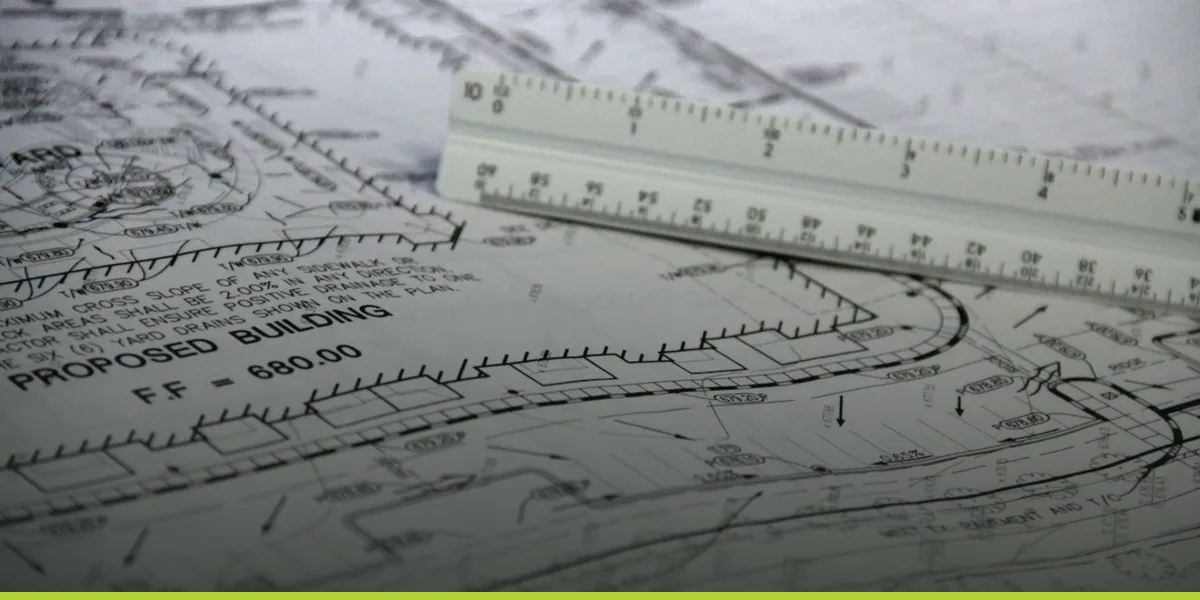
The unlicensed solar power plant permitting process: the difference between licensed and unlicensed solar, eight steps, the parties involved, typical documents, common causes of deficiencies and revisions, the differences between rooftop and ground-mount projects, and the effect of the 2026 regulatory changes on the process.
| TECHNICAL REVIEW | UPDATED | READING TIME |
|---|---|---|
| Alkın Ankaralı — Deputy General Manager, Energy Projects | August 2026 | 13 minutes |
Contents
- Summary in five sentences
- What is unlicensed generation and what is its limit?
- What is the difference between licensed and unlicensed solar?
- The process: eight steps
- Which documents are required?
- Seven reasons the process is extended
- Differences between rooftop and ground-mount projects
- Frequently asked questions
- Where do you start?
In solar energy investments, the subject that draws the most questions is not technology but permitting. For the unlicensed solar permitting process, the honest answer to “how long does it take?” depends on the quality of the file, grid capacity, technical assessment, project approval and the completion of other permits. Timelines for similar projects in the same region can differ.
This guide explains the process step by step, together with which role carries out what.
Summary in five sentences
- No generation licence application is required to install unlicensed solar; the process runs through a connection application to the relevant network operator, project approval, connection and acceptance procedures.
- The process advances between the investor/EPC, the relevant network operator and the authority competent for project approval/acceptance.
- One of the significant causes of delay is missing or inconsistent documentation; grid capacity, technical assessment and project revisions can also affect the overall duration.
- With the amendment dated 2 April 2026, industrial zone legal entities holding a distribution licence were also added to the definition of “relevant network operator” in the Regulation.
- Until the necessary acceptance and metering procedures are completed, the facility cannot be placed into commercial operation and cannot move to continuous parallel operation with the grid.
The permitting process — eight steps, three parties
| STEP | WHO CARRIES IT OUT | WHAT IS DONE |
|---|---|---|
| 1 Preliminary assessment | Investor / EPC | Survey · structural · simulation |
| 2 Application | Investor / EPC | Submission of the connection application file |
| 3 Call letter | Relevant network operator | Determination of the connection point and conditions |
| 4 Project approval | Project approval / acceptance authority | Approval of the electrical project |
| 5 Connection agreement | Relevant network operator | Signature of the agreement |
| 6 Installation | Investor / EPC | Mounting · electrical works |
| 7 Acceptance | Project approval / acceptance authority | On-site inspection |
| 8 Commissioning | Relevant network operator | Metering arrangements |
What is unlicensed generation and what is its limit?
Unlicensed electricity generation is the regime that, within the scope of the Regulation on Unlicensed Electricity Generation in the Electricity Market, allows electricity to be generated without the obligation to obtain a generation licence or establish a company. The core model is a self-consumption model based on covering the associated consumption.
The generation capacity that can be installed is not determined by roof/land area alone or by contracted power alone. The final installable capacity is determined by taking into account together the legal basis of the application under the Regulation on Unlicensed Electricity Generation in the Electricity Market, the contracted power of the associated consumption facility, the connection capacity, the technical assessment and the conditions set out in the connection call letter.
SIZING NOTE — The economically optimum installed capacity must additionally be assessed by taking into account the facility’s consumption profile, generation profile, self-consumption ratio and the economic value of surplus generation.
Paid generation limit
At the relevant facilities, an annual limit applies to surplus generation that can be assessed on a paid basis. As a general rule, this limit is determined on the basis of twice the total electrical energy consumption drawn from the grid before netting by the associated consumption facilities in the previous calendar year. Separate calculation provisions exist for new consumption facilities without previous-year consumption data, for current-year consumption exceeding the reference consumption, and for other special cases regulated in the Regulation. For that reason the applicable limit must be checked project by project against current legislation.
Exception provisions must additionally be checked for generation facilities associated with consumption facilities in the residential subscriber group. According to the current official statement of the Ministry of Energy and Natural Resources, the provision on the limit of generation that may be subject to sale does not apply to generation facilities with an installed capacity of 50 kW or below that are associated with consumption facilities in the residential subscriber group.
What changed in 2026?
With the amendment published in Official Gazette No. 33212 dated 2 April 2026, alongside TEİAŞ, distribution companies and organised industrial zone legal entities holding a distribution licence, industrial zone legal entities holding a distribution licence were also added to the definition of “relevant network operator”.
In practical terms: for a facility in an industrial zone that holds a distribution licence, the counterparty for the application and connection processes is the relevant industrial zone legal entity. In OIZs holding a distribution licence, the OIZ legal entity continues in the role of relevant network operator. On every project, the connection level and the licence status of the zone must be checked separately.
NETTING — As of 1 May 2026, netting at the relevant unlicensed generation facilities has moved to an hourly basis. The netting period applicable to a facility must be assessed according to the scope and exceptions in the Regulation.
What is the difference between licensed and unlicensed solar?
In unlicensed generation, the core model is a self-consumption model based on covering the associated consumption. The main source of economic benefit is the reduction of energy drawn from the grid. Under the conditions set out in the legislation, surplus energy may additionally be assessed on a paid basis.
Licensed generation, on the other hand, is the conduct of generation and sales activity in the electricity market on a licensed basis under the relevant market legislation. The investor fulfils the conditions of the licensing legislation in force; generation and sales activity is carried out through pre-licence and generation licence processes.
| TOPIC | UNLICENSED SOLAR | LICENSED SOLAR |
|---|---|---|
| Purpose | Principally self-consumption + surplus energy within the scope of legislation | Generation and sales in the electricity market |
| Licence / company | No obligation for a generation licence or a separate generation company | Pre-licence → generation licence + legal entity compliant with market legislation |
| Application authority | Relevant network operator | EMRA |
| Capacity framework | Legal basis, contracted power, connection capacity and call letter conditions | Installed capacity defined in the licence |
| Revenue model | Reduction of grid draw + surplus payment where conditions are met | Market sales / bilateral agreements |
| Typical investor | Consumer/investor seeking to reduce electricity cost | Investor conducting generation and sales as a market activity |
The process: eight steps
1. Preliminary assessment and feasibility
Site survey, structural check, generation simulation, consumption analysis, connection options and a draft single-line diagram are assessed together before the application. Early technical checks reduce sizing and project revisions that may arise later.
2. Connection application
The application file is submitted to the relevant network operator. The exact content is determined according to the scope of the Regulation, the connection level, the source type and the current application requirements of the relevant network operator.
3. Connection call letter
If the application is found suitable, a call letter for a connection agreement containing the connection point and its technical conditions is issued. This document states the connection point, voltage level, project conditions and the provision under which surplus energy will be assessed.
ONE-YEAR PROJECT APPROVAL PERIOD AFTER THE CALL LETTER — After the connection call letter is served, a one-year period begins for approval of the generation facility project and, where applicable, the connection line project. If the project approval and required documents are not submitted completely and in due form within this period, the applicant loses the right to sign the connection agreement. For that reason it is important to begin project preparation before the call letter.
4. Project approval
The electrical project is prepared and submitted for approval to the Ministry or an institution/legal entity authorised by the Ministry. The project covers the single-line diagram, protection coordination and settings, earthing, cable cross-sections and the technical documents of the panels, inverters and other equipment.
At this stage, missing or inconsistent technical documentation can lead to a project revision. The equipment in the project must match the equipment on site; protection settings, earthing details, the single-line diagram and equipment technical documents must be consistent with one another.
5. Connection agreement
Following timely submission of the approved project and required documents, the connection agreement is signed with the relevant network operator. The agreement sets out the periods applicable to completion of the facility and acceptance procedures.
6. Installation
Mounting, electrical works, protection and monitoring systems are completed in line with the approved project. Whether equipment or layout changes on site require a project revision is checked before implementation.
Who carries out / approves what?
| PARTY | RESPONSIBILITY |
|---|---|
| Relevant network operator | Connection application, technical assessment, connection call letter, connection agreement and grid connection processes. |
| Project approval / acceptance authority | Approval of the electrical project and facility acceptance procedures. The competent authority is determined by facility type, capacity, connection level and the current Ministry authorisation table. |
| Investor / EPC | Preparation and follow-up of the application file, projects, permits, works, tests and required technical documentation. |
7. Acceptance
Although the phrase “provisional acceptance” is common in SEO and industry usage, in the current official roadmap and authorisation documents the procedure is referred to as “acceptance” or “facility acceptance”. This guide retains the main heading; the official terminology is used in the description of the process.
The relevant network operator records by minutes that the facility is ready for acceptance, and an acceptance application is made to the Ministry or the institution authorised by the Ministry. The on-site inspection examines conformity with the approved project, protection devices and their tests, earthing measurements and the required safety conditions.
8. Commissioning — metering arrangements
The necessary metering arrangements are completed and the facility is placed into operation in accordance with the legislation. Until the necessary acceptance and metering procedures are completed, the facility cannot be placed into commercial operation and cannot move to continuous parallel operation with the grid.
Which documents are required?
The list below is a typical preliminary preparation set. The exact document list may vary according to the facility’s scope under the Regulation, the connection level, the rooftop/ground-mount situation and the current application requirements of the relevant network operator.
| DOCUMENT | WHY IT IS REQUESTED | WHEN |
|---|---|---|
| Title deed, lease agreement or usage right document | Evidence of the right to use the roof/land | Before application |
| Signature circular / authorisation documents | Representation authority of the applicant | Before application |
| Subscription and consumption facility documents | Association with the generation facility | Before application |
| Contracted power and connection information | Technical and legal capacity assessment | Before application |
| Consumption breakdowns | Sizing and the relevant limit calculations | Before application |
| Building/zoning documents | Where required by facility type and project scope | Before application/project |
| Single-line diagram and technical application annexes | Technical assessment | With the application |
| Electrical project | Project approval | After the call letter |
| Equipment technical documents | Project approval and acceptance | When required within the project scope |
LEASED ROOF — For a solar plant to be installed on a leased roof, the right to install and operate a solar plant on that roof must be legally evidenced. If this right is not expressly provided for in the lease agreement, the written consent of the owner or the necessary usage right document may be requested. A mismatch between the lease term and the economic life of the solar investment may additionally create commercial risk.
Seven reasons the process is extended
- Applying to the wrong counterparty — failure to correctly establish the licence and network operator status of the OIZ or industrial zone
- Insufficiency of the usage right document — lease, consent or other right documents not clearly covering the project scope
- Mismatch between contracted power, connection capacity and the requested installed capacity
- Divergence between the equipment approved in the project and the equipment used on site, without the required revision
- Late recognition of the need for transformer/grid capacity or connection investment
- Deficiencies in building, zoning or land permits affecting the project schedule
- Missing the one-year project approval period after the call letter
A significant portion of these problems can be reduced by a comprehensive preliminary check before the application.
Differences between rooftop and ground-mount projects
| TOPIC | ROOFTOP SOLAR | GROUND-MOUNT SOLAR |
|---|---|---|
| Land process | None / limited | Allocation, zoning and environmental permit checks |
| Structural / ground | Structural suitability of the existing building | Ground survey and structure design |
| Connection point | Mostly the existing facility connection | A separate connection structure may be required per project |
| Usage right | Title deed, lease and, where required, consent/usage right | Title deed, lease, easement or other usage right |
| Typical schedule pressure | Project, building documents and technical documentation | Land, zoning, environmental permits and connection |
On ground-mount projects, land, zoning and environmental permits; on rooftop projects, structural suitability, building documents, usage rights and project documentation can affect the overall schedule. On both project types, grid capacity and technical assessment are decisive.
Frequently asked questions
Do I need to establish a company to install unlicensed solar?
The unlicensed generation regime allows generation without the obligation to obtain a generation licence or to establish a separate generation company solely for this activity. The application may be made by a natural or legal person, in accordance with the conditions in the Regulation.
What is the difference between licensed and unlicensed solar?
In unlicensed generation the core model is covering the associated consumption; under the conditions in the legislation, surplus energy may be assessed on a paid basis. Licensed generation is the conduct of generation and sales activity in the electricity market on a licensed basis.
I am a tenant — can I install solar on the roof?
Yes; however, the right to install and operate a solar plant must be legally evidenced. If the right is not explicit in the lease agreement, written consent or another usage right document may be requested. The alignment of the lease term with the economic life of the investment must also be assessed.
I am in an OIZ or industrial zone — who is my counterparty?
OIZ legal entities holding a distribution licence fall within the scope of relevant network operator. With the 2 April 2026 amendment, industrial zone legal entities holding a distribution licence were also added to the definition. The licence status of the zone and the connection level must be checked project by project.
What happens if my application is rejected?
The outcome and the path to follow depend on the reason. Where it stems from capacity or technical assessment, different connection points, sites or capacity options may arise; where it stems from documentation, completion or a new application may be considered within the procedures and periods in the relevant legislation.
Can I start generating before acceptance?
Until the necessary acceptance and metering procedures are completed, the facility cannot be placed into commercial operation and cannot move to continuous parallel operation with the grid under normal operating conditions. Tests during the acceptance and commissioning process are carried out in accordance with the relevant technical legislation and the procedures of the competent authority.
Can I run the permitting process myself?
Legally the applicant may run the process. Because project approval, technical documentation and grid correspondence require expertise and regular follow-up, EPC or expert consultant support may be preferred.
Where do you start?
Completing the following preparations before entering the permitting process helps to see uncertainties early:
- Title deed, lease agreement or a usage right document suited to the project
- Contracted power, connection and transformer information together with consumption breakdowns
- Building/zoning documents and, for a roof, a preliminary structural assessment
- Correct identification of the relevant network operator the facility is connected to, and the connection level
- Technical and economic preliminary sizing for the requested capacity
11:11 Solar Energy carries out the application file, project approval, grid correspondence, installation and acceptance processes on rooftop and ground-mount solar projects according to project scope. Before an investment decision, assessing technical, regulatory and economic risks together is recommended.
Official sources
- Regulation on Unlicensed Electricity Generation in the Electricity Market — current/consolidated text (Legislation Information System).
- Regulation Amending the Regulation on Unlicensed Electricity Generation in the Electricity Market — Official Gazette No. 33212 dated 02.04.2026.
- Republic of Türkiye Ministry of Energy and Natural Resources / EİGM — Unlicensed Electricity Generation (current official statement).
- Republic of Türkiye Ministry of Energy and Natural Resources / EİGM — Investment Process Roadmap for Unlicensed Electricity Generation Facilities.
- Electrical Installations Project Regulation and Republic of Türkiye Ministry of Energy and Natural Resources — Electrical Installations Project Approval and Acceptance Authorisations (2025 revision; authorisation period 18.06.2025–31.12.2028).
- Regulation on the Technical Assessment of Applications for Solar-Based Electricity Generation.
- Procedures and Principles on Netting Transactions of Unlicensed Electricity Generation Facilities and Their Associated Consumption Facilities, adopted by Energy Market Regulatory Board Decision No. 14531 dated 30.04.2026 — Official Gazette No. 33244 dated 05.05.2026.
INFORMATION NOTE — This guide is for general information purposes. The exact application documents, competent authority, periods and technical conditions must be checked project by project according to the facility’s legal basis, connection level, source type, capacity, location and current legislation.